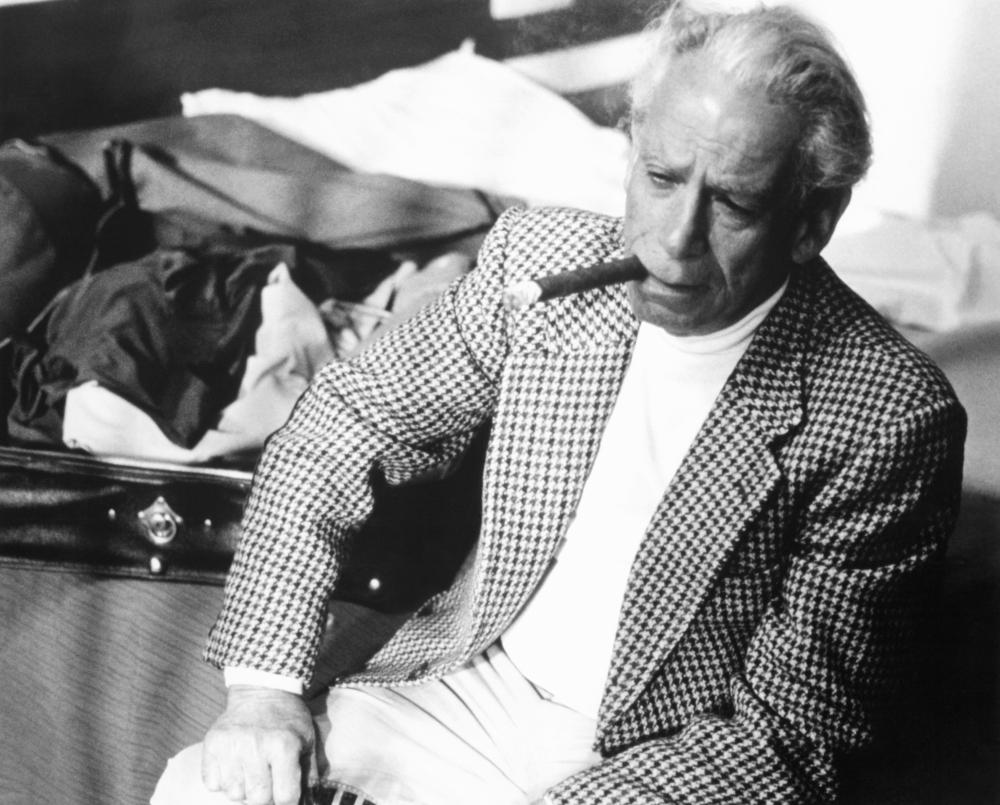
Birth Name
Samuel Michael Fuller
Birth Date
1912 August 12
Birth Location
Worcester, Massachusetts, USA
Height
168 cm
Professions
Also Known As
- Sam Joe Fuller
- SamJoe Fuller
- Sammy Fuller
- Sam Fuller
- Samuel
IMDb ID
Wikipedia Article
# Samuel Fuller
Samuel Fuller was a renowned American filmmaker, screenwriter, and novelist, celebrated for his unflinching portrayal of the human condition through a unique blend of genre elements and raw storytelling. Born on August 12, 1912, in Worcester, Massachusetts, Fuller stood at a height of 168 cm and left an indelible mark on the cinematic landscape over his prolific career. Known for his bold narratives and innovative techniques, Fuller’s work often tackled challenging themes such as war, violence, and social injustice, making him a pivotal figure in American cinema. His artistic vision, characterized by a no-holds-barred approach, has inspired generations of filmmakers and continues to resonate with audiences worldwide.
Quick Facts: Fuller’s birth name was Samuel Michael Fuller. He was born on August 12, 1912, in Worcester, Massachusetts. Standing at 168 cm, he was an influential filmmaker, screenwriter, and novelist, active from the late 1940s until his passing in 1997. He is best known for his contributions to the film industry that often blended gritty realism with compelling narratives.
Early Life and Education
Samuel Fuller grew up in a multicultural environment that significantly shaped his worldview. Raised in a Jewish family, he was exposed to diverse cultures and perspectives from an early age. Fuller’s early life was marked by a strong interest in storytelling, which was nurtured by his love for writing and reading. As a child, he was captivated by the power of narratives, often immersing himself in the world of literature and film.
Growing up during the Great Depression, Fuller faced the challenges of a struggling economy, which influenced his later works' themes of hardship and resilience. He developed a rebellious spirit, often getting into trouble at school for his outspoken nature. This characteristic would later define his film career, as he refused to conform to traditional storytelling norms. Fuller's passion for film ignited when he began watching movies at a local theater, where he was particularly drawn to the works of directors like D.W. Griffith and John Ford.
After graduating from high school, Fuller briefly attended college but soon dropped out to pursue a career in journalism. His early experiences as a reporter for various newspapers provided him with a keen understanding of human nature and society's complexities, further enriching his storytelling abilities. The skills he honed during this period would later translate into his screenwriting, where he often drew upon real-life experiences to craft authentic narratives.
Career
Fuller’s cinematic journey began in the late 1940s when he transitioned from journalism to the film industry. He initially worked as a scriptwriter, contributing to various projects that offered him a foothold in Hollywood. However, it was his directorial debut with “The Steel Helmet” in 1951 that marked the beginning of his rise as a filmmaker. This anti-war film, set during the Korean War, showcased Fuller’s ability to tackle controversial subjects head-on and established his reputation for addressing societal issues through a cinematic lens.
The early 1950s were pivotal for Fuller as he continued to explore provocative themes. His film “Fixed Bayonets!” (1951) further cemented his status as a director unafraid to confront the harsh realities of war. Fuller's style was distinctive, characterized by his use of stark imagery and intense storytelling, which resonated with audiences and critics alike. He was particularly adept at creating tension and drama, often employing unconventional narrative techniques that set his work apart from his contemporaries.
In the years that followed, Samuel Fuller experienced a peak in his career, directing a series of influential films that showcased his unique voice. Notable among these was “Pickup on South Street” (1953), a film noir that delved into the world of espionage and betrayal, highlighting his ability to fuse genres effectively. Fuller's work during this period was not only commercially successful but also critically acclaimed, earning him a place among the most innovative filmmakers of his time.
As the 1960s approached, Fuller continued to broaden his artistic horizons, taking on projects that further explored the human condition. His film “The Naked Kiss” (1964) was groundbreaking for its bold approach to sexuality and morality, while “Shock Corridor” (1963) tackled mental health and societal issues with an unflinching gaze. Fuller's willingness to confront uncomfortable truths made him a vital voice in cinema.
In addition to his directing prowess, Fuller was also a skilled producer and writer. He penned several screenplays and adapted works from literature into film, showcasing his versatility within the industry. His later works, including “White Dog” (1982) and “The Big Red One” (1980), reflect his continued commitment to storytelling that challenges societal norms and provokes thought.
In the 1980s and 1990s, Fuller’s career took on new dimensions as he transitioned to more independent filmmaking. His later projects, while less commercially successful, were marked by a return to his roots as a storyteller. Fuller’s final film, “Street of No Return” (1989), exemplifies his lasting dedication to exploring the darker aspects of humanity.
Personal Life
Samuel Fuller’s personal life was as intriguing as his films. He was known for his charismatic personality and passionate demeanor, traits that endeared him to colleagues and audiences alike. Throughout his life, Fuller formed relationships with various artists and filmmakers, contributing to his reputation as a true maverick in the industry.
Fuller was married twice; his first marriage to actress and producer Christa Lang lasted for over three decades until his death. Together, they shared a deep bond, and Lang often collaborated with him on his films. Their partnership was marked by mutual respect and a shared love for the arts. Fuller had a daughter, who has kept his legacy alive by sharing stories and insights about her father’s life and work.
Beyond his cinematic endeavors, Fuller was known to enjoy a variety of hobbies, including painting and writing. His love for literature remained a constant throughout his life, and he often engaged in discussions about storytelling and its impact on society. Fuller’s public image was that of a fearless artist, unafraid to take risks in his work and personal life.
Appearance
Samuel Fuller was of average height, standing at 168 cm, with a rugged appearance that matched his gritty storytelling style. He often sported a distinguished look, characterized by a strong jawline and expressive features that conveyed his passionate nature. Fuller’s hairstyle varied throughout his life, but he generally favored a classic, slightly tousled look that aligned with his no-nonsense persona.
Fuller did not have any prominent tattoos, which was not common among filmmakers of his era. Instead, his identity as an artist was defined by his unique storytelling abilities and his willingness to confront difficult subjects. His physical presence complemented his larger-than-life personality, making him an unforgettable figure in the world of cinema.
Filmography Overview
Samuel Fuller was known for his ability to navigate a wide range of genres, from war films to film noir, and social commentaries. His projects often explored themes of conflict, morality, and the human experience, making him a versatile storyteller. Fuller’s films are characterized by their bold narratives, striking visuals, and an unwavering commitment to authenticity. His influence on the film industry is evident in the works of contemporary filmmakers who continue to draw inspiration from his fearless approach to storytelling.
Awards and Achievements
Throughout his illustrious career, Samuel Fuller received numerous accolades that recognized his contributions to cinema. His films garnered critical acclaim, and he was honored with various awards, including a Lifetime Achievement Award from the American Film Institute. Despite facing challenges in an ever-evolving industry, Fuller’s work remained relevant, earning him a dedicated following and respect among peers.
Legacy
Samuel Fuller’s legacy in cinema is profound and enduring. He is remembered as a trailblazer who pushed the boundaries of storytelling and challenged societal norms through his films. Fuller's ability to convey complex themes with raw honesty has influenced countless filmmakers, ensuring that his impact on the industry will be felt for generations to come. His work continues to be studied and celebrated for its innovative approach and unwavering commitment to authenticity, solidifying his place as a significant figure in the annals of film history. Samuel Fuller’s contributions to cinema not only entertain but also provoke thought, making his body of work a lasting testament to the power of storytelling.