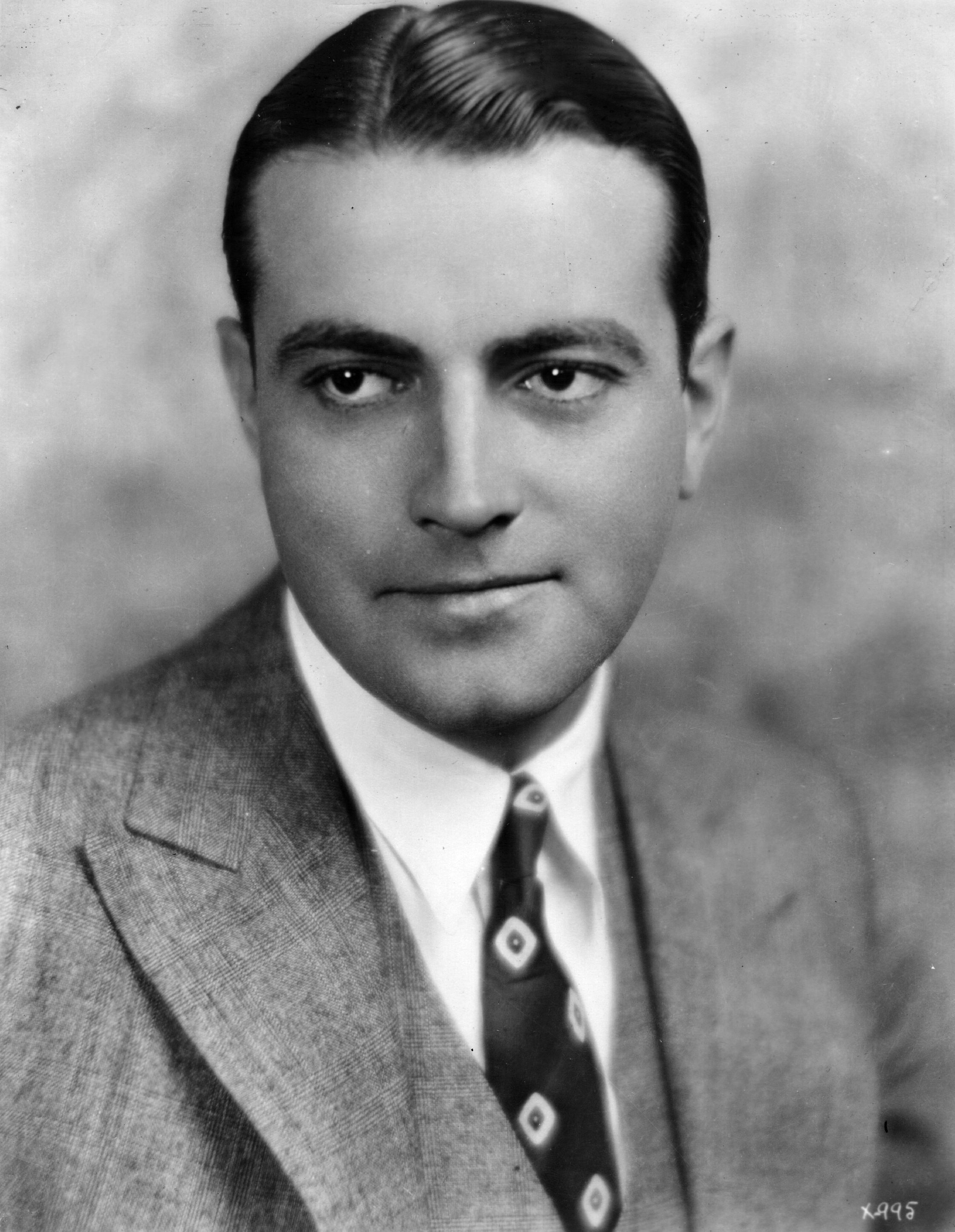
Birth Name
Richard Semler Barthelmess
Birth Date
1895 May 9
Birth Location
New York City, New York, USA
Height
175 cm
Professions
Also Known As
- Mr. Richard Barthelmess
- Richard S. Barthelmess
- Dick
IMDb ID
Wikipedia Article
# Richard Barthelmess
Richard Barthelmess was an influential American actor known for his significant contributions to the silent film era and early talkies. Born on May 9, 1895, in New York City, New York, USA, Barthelmess stood at a height of 175 cm and was celebrated for his versatility and unique on-screen presence. Over his career, which spanned several decades, he became a prominent figure in Hollywood, known not only for his acting prowess but also for his pioneering work in the film industry.
Richard Barthelmess is notable for his leading roles in groundbreaking films during the transition from silent films to sound, as well as for his collaborations with some of the most notable directors of his time. His performances often showcased his ability to portray complex characters, earning him both critical and commercial success.
Quick Facts: Birth Name: Richard Barthelmess Birth Date: May 9, 1895 Birthplace: New York City, New York, USA Height: 175 cm Occupations: Actor, Producer Years Active: 1914–1946 Known As: A pioneer of the film industry
Early Life and Education
Richard Barthelmess was born into a family that appreciated the arts, which played a significant role in shaping his early interests. His father was a prominent theatrical producer, and this familial connection to the performing arts instilled in him a passion for acting from a young age. Growing up in the vibrant cultural landscape of New York City, Barthelmess was exposed to various forms of entertainment, including theater and cinema, which nurtured his creative spirit.
As a child, he was described as imaginative and somewhat introspective, often drawn to the stories portrayed on stage and screen. He attended local schools, where he engaged in various extracurricular activities, including drama clubs and school plays. His early experiences in these settings helped him develop a deep appreciation for storytelling and performance, laying the groundwork for his future career in Hollywood.
After completing his education, Barthelmess initially pursued a career in the theater, but it was not long before he transitioned to film. His first steps into the cinematic world came in the early 1910s, where he began to take on small roles in silent films, showcasing the talent that would soon make him a household name.
Career
Richard Barthelmess's career began in earnest in 1914, when he made his film debut in a minor role. His early work included a series of uncredited parts and small roles that allowed him to hone his craft. However, it was his performance in the 1919 film "The Heart of Wetona" that marked his breakthrough. The film was a critical and commercial success, and Barthelmess's portrayal of the lead character garnered significant attention from both audiences and filmmakers alike.
His rise to stardom continued throughout the 1920s, a decade marked by a series of notable performances in films such as "Way Down East" (1920) and "Tol'able David" (1921). In these films, Barthelmess displayed his ability to convey deep emotional resonance, often portraying characters caught in challenging situations, which became a hallmark of his acting style. His work in "Tol'able David" earned him particular acclaim and solidified his status as a leading man in the industry.
The transition to sound films in the late 1920s did not hinder Barthelmess's career; rather, it provided him with new opportunities. He adapted to the changing landscape of cinema with remarkable ease, continuing to deliver powerful performances in films such as "The Noose" (1928) and "The Last of Mrs. Cheyney" (1930). His ability to convey emotion and engage audiences remained a defining trait of his performances during this period.
As the 1930s unfolded, Barthelmess reached the peak of his career, starring in several successful films that showcased his versatility. He took on a variety of roles, from dramatic leads to more complex characters, allowing him to demonstrate his range as an actor. Notable films from this era include "The Patent Leather Kid" (1927), which featured his portrayal of a young boxer, and "The Show of Shows" (1929), a musical revue that highlighted his talent in a different genre.
In addition to acting, Barthelmess ventured into producing during the late 1930s, establishing himself as a key figure behind the scenes as well. His production company, which he founded in 1935, aimed to create high-quality films that would resonate with audiences. While his production work was not as extensive as his acting career, it showcased his commitment to the craft of filmmaking.
In the later years of his career, Barthelmess continued to take on roles that reflected the evolving nature of cinema. He appeared in several films throughout the 1940s, including "The Last of Mrs. Cheyney" (1930) and "The Man Who Knew Too Much" (1934). His final film appearance came in 1946, marking the end of a remarkable journey in the entertainment industry.
Personal Life
Richard Barthelmess's personal life was relatively private, especially for someone in the public eye. He married actress and producer, Doris Kenyon, in 1924, and the couple remained together for several decades. Their relationship was marked by mutual respect and a shared passion for the arts, which helped them navigate the challenges of life in Hollywood.
Outside of his professional commitments, Barthelmess was known for his love of literature and the outdoors. He often spent his leisure time reading and hiking, finding solace in nature away from the demands of the film industry. His laid-back demeanor and thoughtful personality endeared him to colleagues and fans alike, establishing a public image of a kind-hearted and introspective individual.
Barthelmess was also known for his philanthropic efforts, contributing to various charitable organizations throughout his life. His dedication to helping others further enhanced his reputation as a compassionate figure in the industry.
Appearance
Richard Barthelmess was characterized by his striking features and expressive eyes, which allowed him to convey a wide range of emotions on screen. His height of 175 cm gave him a commanding presence, particularly in dramatic roles where physicality played a significant part in storytelling.
Over the years, his hairstyle evolved, reflecting the changing trends in fashion and cinema. Early in his career, he sported a classic, neatly combed look typical of the silent film era. As he transitioned into sound films, he adapted his style to match the more relaxed, yet sophisticated, looks of the time. His grooming choices often complemented his characters, enhancing his ability to embody the roles he portrayed.
While Barthelmess did not have any prominent tattoos, he was often noted for his clean and polished appearance, reflecting the studio's image of leading men during his peak years.
Filmography Overview
Richard Barthelmess is primarily known for his roles in dramatic films that often tackled complex themes and explored the depths of human emotion. His body of work includes a mix of silent films and early sound productions, with a focus on character-driven narratives that resonated with audiences. His ability to portray vulnerability and strength made him a sought-after actor during his prime.
His films often featured themes of struggle, resilience, and personal growth, which paralleled the challenges faced by many during the social upheavals of the early 20th century. Barthelmess's performances are remembered for their authenticity and depth, cementing his status as a pioneer in the film industry.
Awards and Achievements
Throughout his career, Richard Barthelmess received numerous accolades for his contributions to cinema. His work was recognized by various film organizations, and he was nominated for several prestigious awards. While he may not have garnered the same level of fame as some of his contemporaries, his influence on the industry and the legacy he left behind are undeniable.
Barthelmess is often remembered as one of the key figures of his generation, playing a crucial role in shaping the trajectory of American cinema during a transformative period. His innovative performances and dedication to his craft earned him a place in the hearts of film lovers and historians alike.
Legacy
Richard Barthelmess's influence on cinema and culture extends far beyond his years in front of the camera. He is often regarded as a trailblazer who helped define the roles of leading men in film, paving the way for future generations of actors. His ability to connect with audiences on a profound level set a standard for emotional storytelling that continues to resonate in contemporary cinema.
What makes Richard Barthelmess a lasting and impactful figure in film history is not merely his talent, but also his commitment to authenticity and depth in his performances. He remains a symbol of the silent film era's transition to sound and the evolution of cinematic storytelling, ensuring that his contributions to the industry are remembered for years to come.