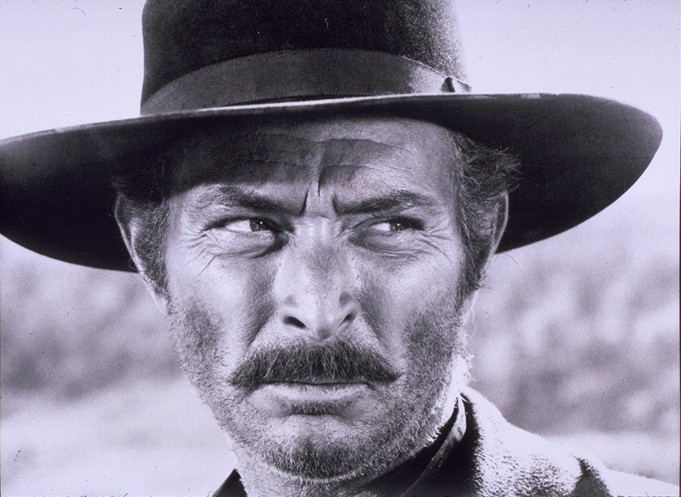
Birth Name
Clarence Leroy Van Cleef Jr.
Birth Date
1925 January 9
Birth Location
Somerville, New Jersey, USA
Height
187 cm
Professions
Also Known As
- Lee Van Cleff
- Lee VanCleef
IMDb ID
Wikipedia Article
# Lee Van Cleef
Lee Van Cleef was a prominent American actor known for his compelling performances in Westerns and action films. Born on January 9, 1925, in Somerville, New Jersey, USA, he stood tall at a height of 187 cm. Over the course of his career, Van Cleef became an iconic figure in the film industry, celebrated for his roles as both a villain and a hero. His distinctive features and commanding presence on screen made him a staple of the genre, earning him a lasting legacy in cinema.
Quick Facts: Lee Van Cleef was born as Clarence Leroy Van Cleef Jr. on January 9, 1925, in Somerville, New Jersey. He measured 187 cm in height and was primarily known as an actor, with a career spanning several decades. He was active in the film industry from the early 1950s until the late 1980s and is best known for his work in Westerns and action films.
Early Life and Education
Lee Van Cleef was raised in a modest household in New Jersey. His father, a farmer, instilled a strong work ethic in him from a young age, while his mother encouraged his artistic inclinations. Growing up, Van Cleef was an active child with a keen interest in sports and the outdoors, which fostered a sense of adventure and resilience. He developed a passion for acting during his high school years, participating in school plays and local theater productions.
After graduating from high school, Van Cleef enlisted in the United States Navy during World War II, where he served as a gunnery officer. This experience not only shaped his character but also contributed to his later roles as tough, charismatic figures in films. Following the war, he attended college, where he studied drama and honed his acting skills, preparing himself for a career in Hollywood.
Career
Van Cleef's career began in the early 1950s with small roles in television series and B-movies. His first significant appearance came in 1952 when he landed a part in the film "High Noon," though his role was minor. However, it was his performance in "The Beast from 20,000 Fathoms" (1953) that marked a turning point, as it showcased his potential and caught the attention of filmmakers.
His breakthrough came in the 1960s when he collaborated with director Sergio Leone on the so-called "Dollars Trilogy." He gained international fame for his portrayal of the ruthless bandit Angel Eyes in "The Good, the Bad and the Ugly" (1966), a role that solidified his status as a leading man in Westerns. Van Cleef's ability to portray complex characters with depth and nuance set him apart from his contemporaries, and he quickly became a sought-after actor.
During the peak of his career, Van Cleef appeared in several notable films, including "For a Few Dollars More" (1965), where he played the bounty hunter Colonel Douglas Mortimer alongside Clint Eastwood. His performances were characterized by a combination of intensity and charisma, making him a memorable presence on screen. Beyond acting, Van Cleef also ventured into producing and directing, showcasing his multifaceted talents in the film industry.
In the later years of his career, he starred in various television series and films, including "The Magnificent Seven Ride!" (1972) and "Escape from New York" (1981). While he may have transitioned into character roles, Van Cleef remained a beloved figure in the action genre, with audiences continuing to appreciate his contributions to cinema.
Personal Life
Lee Van Cleef's personal life was marked by both triumphs and challenges. He was married twice; his first marriage to Hollywood actress Patsy Ruth Miller ended in divorce, while his second marriage to Joan Marjorie was more enduring. The couple had two children and shared a strong bond that lasted throughout his life. Van Cleef was known for his reserved nature off-screen, often maintaining a low profile and avoiding the Hollywood party scene.
In interviews, he expressed a love for the outdoors, often enjoying fishing and hiking in his spare time. He also had a keen interest in architecture and design, which reflected his artistic sensibilities beyond acting. Van Cleef's public image was that of a rugged, no-nonsense man, a persona that resonated with audiences and enhanced his on-screen roles.
Appearance
Physically, Lee Van Cleef was distinguished by his tall stature of 187 cm, sharp features, and intense gaze, which contributed to his effectiveness in portraying both heroes and villains. His hairstyle evolved throughout his career, ranging from a slicked-back look in his early films to a more rugged, tousled appearance in later roles. His striking blue eyes and angular jawline made him a memorable figure in the Western genre.
In terms of body art, Van Cleef did not have any prominent tattoos, which was not uncommon for actors of his era. Instead, he relied on his natural charisma and commanding presence to capture the attention of audiences.
Filmography Overview
Lee Van Cleef is best known for his roles in Westerns and action films, especially during the 1960s and 1970s. His performances often showcased a blend of toughness and vulnerability, allowing him to portray a wide range of characters, from cold-blooded villains to noble heroes. He became an emblematic figure of the Spaghetti Western genre, where his collaborations with Sergio Leone established him as a cinematic icon.
Van Cleef's filmography includes a variety of projects that highlight his versatility, including both major studio productions and independent films. His ability to adapt to different roles and genres contributed to his enduring appeal in the film industry, making him a recognizable name across generations of moviegoers.
Awards and Achievements
Throughout his career, Lee Van Cleef received recognition for his performances, particularly in the Western genre. While he may not have won prestigious awards during his lifetime, his contributions to cinema have been acknowledged posthumously. He is often celebrated for his influence on the Spaghetti Western movement and for helping to redefine the archetype of the Western hero and villain.
His legacy is not solely defined by awards, but rather by the impact he made on audiences and the film industry. Van Cleef's ability to imbue his characters with depth and complexity has inspired countless actors and filmmakers, ensuring that his performances remain relevant in film history.
Legacy
Lee Van Cleef's influence on cinema and culture extends far beyond his filmography. He is remembered as a quintessential figure of the Western genre, whose performances helped to shape the landscape of action films in the 20th century. His work continues to inspire contemporary filmmakers and actors, who draw upon his style and approach to character development.
The lasting impact of Lee Van Cleef can be seen in the way he redefined the roles of both heroes and villains in Westerns, paving the way for future generations to explore these archetypes with greater complexity. His work has become embedded in popular culture, with references to his films and characters appearing in various media.
Ultimately, Lee Van Cleef remains an enduring figure in the film industry, celebrated for his contributions to cinema and his ability to captivate audiences with his performances. His legacy lives on, ensuring that he will always be remembered as one of the defining actors of his time.
Net Worth
When diving into the net worth of a classic actor like Lee Van Cleef, it’s fascinating to see how different sources evaluate his financial legacy. Websites like Celebrity Net Worth, Wealthy Gorilla, and TheRichest all offer varying figures, which can be both revealing and confusing. For instance, Celebrity Net Worth states his fortune hovers around $2 million, while Wealthy Gorilla estimates it at a more generous $5 million. TheRichest, on the other hand, has cited even higher amounts, leading to a kaleidoscope of numbers that can easily make your head spin.
The discrepancies often stem from how these sites gather their information. They might rely heavily on outdated data, celebrity interviews, or even guesswork. Given that Lee Van Cleef enjoyed a varied career spanning decades, from the golden age of Westerns to cult classics, the challenge lies in accurately attributing his earnings to specific projects. These external net-worth sources typically fail to account for the nuances of an actor's career trajectory or the financial implications of their roles. Thus, while they provide a broad-strokes overview, they often miss the fine details that can paint a more accurate picture of his wealth.
Now, let’s break down the logic behind estimating an actor's earnings, especially someone like Van Cleef, who carved a niche for himself in the film industry. The Hollywood landscape typically compensates supporting actors based on several factors, including the decade in which the film was produced, the film's budget, and the actor's role size. During the 1960s and 70s, when Van Cleef was at the height of his career, the pay for supporting roles could range from $20,000 to upwards of $100,000 per project, depending on the film's success and the actor's reputation.
Film budgets play a huge role in determining salaries. A blockbuster Western like "The Good, the Bad and the Ugly," which had a substantial budget for its time, likely allowed for bigger paychecks, whereas a smaller indie film might entail a paltry sum. Billing position also affects negotiation power; if an actor is among the top-billed actors, they can command a higher fee.
Moreover, let’s not forget about television roles. Actors in hit shows can rake in significant amounts per episode, especially if they’re in a lead role. For example, during the tail end of his career, Van Cleef appeared in various TV shows, where compensation could range from a few thousand dollars to tens of thousands per episode, depending on the show's popularity and the actor's established fame.
To provide a clearer picture of Lee Van Cleef's potential earnings, I’ve compiled the following table summarizing some of his major films, their approximate budgets, and my estimated earnings for him in each project:
| Film Title | Approximate Budget | Estimated Earnings |
|---|---|---|
| The Good, the Bad and the Ugly (1966) | $1.2 million | $100,000 |
| For a Few Dollars More (1965) | $600,000 | $50,000 |
| Death Rides a Horse (1967) | $300,000 | $30,000 |
| The Big Gundown (1966) | $500,000 | $40,000 |
| Escape from New York (1981) | $6 million | $75,000 |
Diving deeper into each major film, "The Good, the Bad and the Ugly," a landmark title in the spaghetti Western genre, likely secured Van Cleef a hefty paycheck, especially given its legendary status and budget. An estimated $100,000 for that role feels right when you consider that directors like Sergio Leone were keen on showcasing talent that could draw in audiences.
"For a Few Dollars More" also placed him in a solid position, where his earnings could easily reach $50,000, thanks to the film’s popularity and budget. "Death Rides a Horse" and "The Big Gundown" were lesser-known but still solid entries in Van Cleef's filmography, earning him around $30,000 and $40,000 respectively. Finally, by the time he appeared in "Escape from New York," his reputation was well-established, and earning $75,000 seems a fair estimate, especially given the film's more substantial budget.
On the television side, Van Cleef did quite a bit of work, especially in the 1980s. While specific figures can be elusive, I’d wager he earned anywhere from $5,000 to $10,000 per episode, depending on the show and its viewership. Given that his appearances in series like "The A-Team" and "The Twilight Zone" were sporadic, but impactful, these earnings would still add a nice chunk to his overall wealth.
When I sum it all up, combining film and television work, Lee Van Cleef likely earned in the ballpark of $500,000 over his lifetime through acting. This figure, while modest compared to today’s leading actors, aligns with the estimates found in those net-worth websites, albeit with less certainty.
In conclusion, synthesizing both external net-worth sources and my independent estimation leads me to a realistic net-worth range for Lee Van Cleef. Given the earnings from both film and television, it would be reasonable to say that his true net worth lies somewhere between $2 million and $5 million, taking into account the variance of public perception and the fluctuating nature of celebrity wealth. Ultimately, the value of an actor's career is often as layered and complex as their performances, and Van Cleef's legacy continues to resonate in the annals of film history, regardless of the dollar amount attached to it.