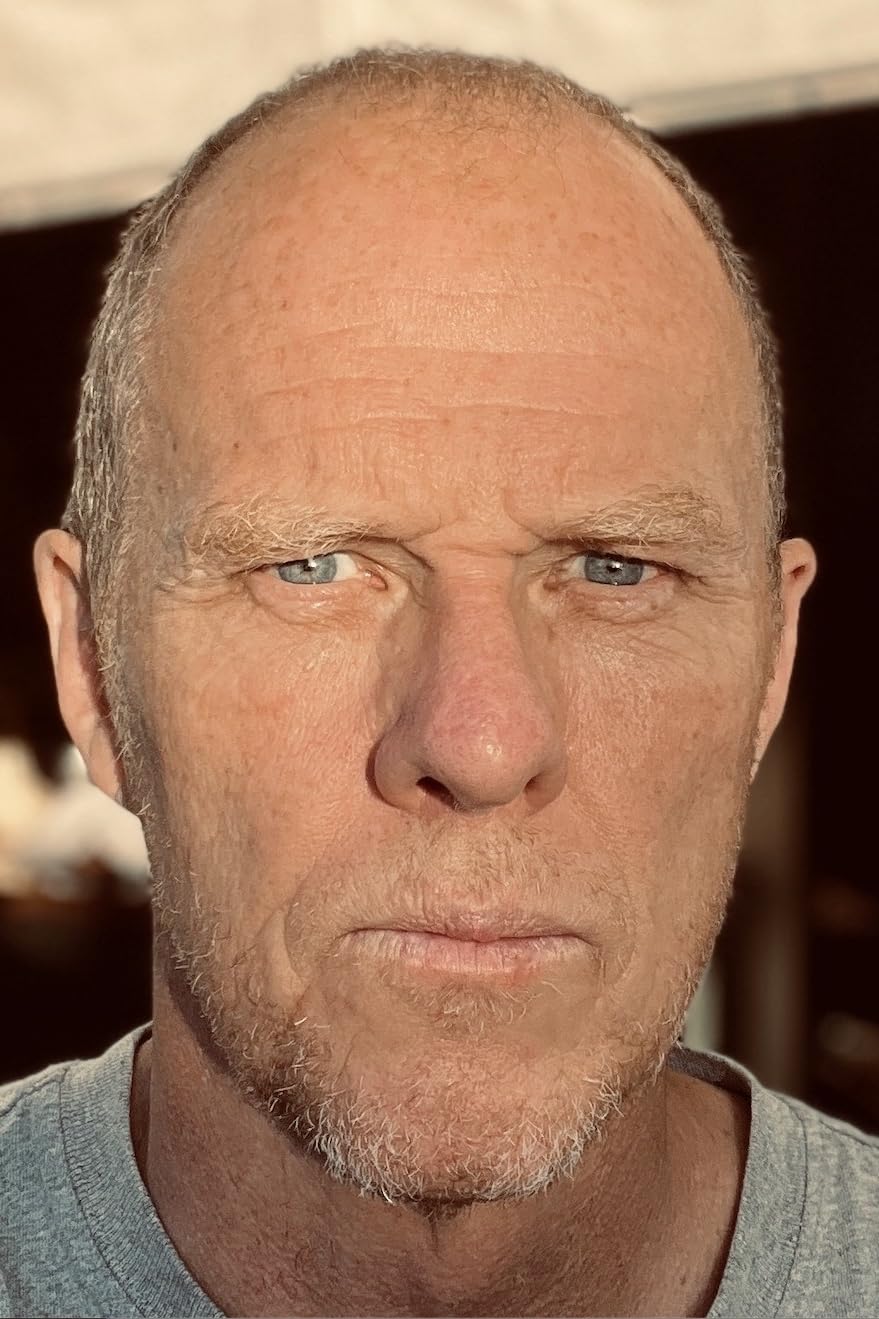
Birth Name
Brian Thomas Helgeland
Birth Location
Providence, Rhode Island, USA
Height
185 cm
Professions
IMDb ID
Wikipedia Article
# Brian Helgeland
Brian Helgeland is a celebrated American filmmaker, screenwriter, and director, renowned for his significant contributions to the film industry. Born in Providence, Rhode Island, he stands at a height of 185 cm. Throughout his career, Helgeland has crafted numerous memorable narratives, earning accolades for his work as both a writer and director. His noteworthy films include a blend of crime dramas, historical narratives, and adaptations, establishing him as a versatile and skilled storyteller in Hollywood.
With a career that spans several decades, Brian Helgeland is particularly recognized for his ability to translate intricate characters and complex plots onto the screen. His works often reflect a deep understanding of American history and culture, allowing him to resonate with audiences on multiple levels. Notable for his ability to blend drama with action, he has received critical acclaim and several prestigious awards, solidifying his reputation as a prominent figure in contemporary cinema.
Quick Facts: Birth Name: Brian Helgeland Birth Date: Not publicly available Birthplace: Providence, Rhode Island Height: 185 cm Occupations: Screenwriter, Director, Producer Years Active: 1990–present Known As: Brian Helgeland
Early Life and Education
Brian Helgeland was born and raised in Providence, Rhode Island, where he spent his formative years. Growing up in a culturally rich environment, he was exposed to the arts at an early age, with a particular affinity for storytelling. Helgeland’s family encouraged his creative pursuits, fostering a love for literature and cinema that would later shape his career.
During his childhood, he developed a keen interest in film, often spending hours watching classic movies and analyzing their narratives. This passion translated into his education as he pursued studies in film and screenwriting. Helgeland attended the University of Massachusetts Amherst, where he honed his craft and gained invaluable experience in storytelling techniques. His education played a crucial role in shaping his artistic voice, combining both academic rigor and hands-on experience in the film industry.
Career
Brian Helgeland’s career began in earnest in the early 1990s when he took on small writing assignments for various films. His break came when he penned the script for the 1997 film "L.A. Confidential," based on James Ellroy's novel. This film marked a turning point for him, garnering critical acclaim and several Academy Award nominations. Helgeland's ability to weave intricate narratives with compelling characters caught the attention of Hollywood, leading to further writing opportunities.
Following the success of "L.A. Confidential," Helgeland continued to rise in prominence, writing and directing films that showcased his unique storytelling style. His work on "Mystic River" further solidified his reputation, as the film received numerous accolades and became a landmark piece in modern cinema. Helgeland’s writing often blends elements of suspense and drama, drawing audiences into the emotional lives of his characters.
As his career progressed, Helgeland took on the role of director, making his debut with "Payback" in 1999. The film, a gritty crime thriller, demonstrated his ability to bring his written narratives to life on screen. His directorial style is characterized by a strong visual aesthetic and a focus on character development, traits that have become hallmarks of his work.
Throughout the early 2000s, Helgeland continued to find success with projects such as "The Order" and "42," the latter being a biographical sports film about baseball legend Jackie Robinson. This film not only showcased his versatility but also his commitment to telling stories that resonate with broader social themes, such as race and equality.
In recent years, Helgeland has continued to work on diverse projects, including adaptations of literary works and original screenplays. His dedication to storytelling remains evident, as he explores new genres and themes while maintaining the quality and depth that have become synonymous with his name.
Personal Life
Brian Helgeland is known for being relatively private about his personal life. However, it is known that he values family and often draws inspiration from his own experiences in his work. He has been married and has children, and he balances his career with his responsibilities as a father.
In his free time, Helgeland enjoys various hobbies, including reading and traveling, which provide him with fresh perspectives and inspiration for his films. His lifestyle reflects a blend of creativity and introspection, as he often seeks to understand the human condition through the lens of storytelling.
Despite his success, Helgeland maintains a grounded public image, often emphasizing the importance of collaboration and the collective effort that goes into filmmaking. He is regarded as approachable and down-to-earth by colleagues and fans alike, which adds to his appeal in the industry.
Appearance
Brian Helgeland has a distinctive physical appearance that complements his creative persona. Standing at 185 cm, he has a commanding presence that is often reflected in the characters he chooses to portray through his storytelling. His hairstyle has evolved over the years, often seen with a neat, professional cut that aligns with his image as a serious filmmaker.
In terms of personal style, Helgeland typically opts for a casual yet polished look, favoring comfortable attire that allows him to navigate the demands of his career effectively. While he does not have any prominent tattoos, his appearance reflects the thoughtful and deliberate nature of his work, embodying the essence of a dedicated artist.
Filmography Overview
Brian Helgeland is known for his work primarily in the genres of crime drama, historical narratives, and biographical films. His screenplays often incorporate elements of suspense and moral complexity, engaging viewers on both intellectual and emotional levels. His ability to adapt complex source material into compelling screenplays has made him a sought-after talent in Hollywood.
In addition to writing, Helgeland’s directorial ventures have showcased his broad range of skills, allowing him to explore various themes and narratives. His projects often delve into the intricacies of human relationships, societal issues, and the moral dilemmas faced by his characters, making his filmography rich and varied.
Awards and Achievements
Throughout his career, Brian Helgeland has garnered numerous accolades and recognition for his contributions to the film industry. His work on "L.A. Confidential" earned him an Academy Award for Best Adapted Screenplay, highlighting his exceptional talent in crafting narratives that resonate with audiences and critics alike.
In addition to his Oscar win, Helgeland has received various nominations from prestigious organizations, including the Golden Globe Awards and the BAFTA Awards. These accolades reflect his commitment to excellence and his ability to create films that leave a lasting impact on viewers.
Legacy
Brian Helgeland’s influence on cinema is marked by his ability to tell stories that are both engaging and thought-provoking. His work has not only entertained audiences but has also sparked discussions about important social issues, shaping the landscape of contemporary filmmaking.
What makes Brian Helgeland a long-lasting figure in the industry is his unwavering dedication to storytelling and his willingness to explore complex themes within his narratives. His films often serve as a reflection of society, allowing audiences to connect with the characters and situations presented on screen.
Helgeland's legacy is characterized by a body of work that continues to inspire aspiring filmmakers and writers, as he exemplifies the power of narrative in cinema. His ability to blend artistry with commercial success ensures that his contributions will be remembered for years to come, solidifying his place as a significant figure in the history of film.
Net Worth
When venturing into the world of celebrity net worth, one quickly discovers a landscape littered with numbers that often sway like a pendulum. Take Brian Helgeland, for instance, an accomplished screenwriter, director, and producer. Various celebrity net worth websites, including Celebrity Net Worth, WealthyGorilla, and TheRichest, provide divergent estimates of his wealth. Some sources suggest a net worth hovering around $10 million, while others push the figure higher, claiming he sits closer to $20 million. This discrepancy is understandable, as each database employs varied methodologies and sources, relying heavily on public records, industry analyses, and anecdotal reports. It's like trying to measure the temperature in a room with different thermometers—you're gonna get a range of readings.
One limitation worth noting is that these estimates often overlook the subtleties of an actor's earnings, such as residuals from past work, the potential for backend deals that can yield significant returns, and the fluctuations in income due to the unpredictability of Hollywood. The Hollywood stars' financial ecosystem is complex, and these estimates often miss the nuances, making them more of a general guideline than an absolute truth.
Now, let's pivot to a more independent estimation of Helgeland's financial standing, particularly focusing on how an actor's earnings take shape in the film industry. Historically, Hollywood has had a tiered pay structure, especially for supporting actors. In the 1990s and early 2000s—when Helgeland was carving out his niche—supporting actors could expect compensation that ranged broadly based on the film's budget and the actor's billing position. Films with substantial budgets often allocated more funds for salaries, particularly for actors with notable roles. The size of an actor's part can dramatically sway their negotiating power; a leading role typically garners a more substantial paycheck compared to a supporting one, often resulting in a six-figure or even seven-figure payday.
Furthermore, the dynamics shift significantly when you consider the compensation model for television roles, which is typically structured on a per-episode basis. Depending on the show's success and the actor's prominence, earnings can range from a few thousand dollars to several hundred thousand per episode. This means that if Helgeland had been involved in any successful TV ventures, that could have added a significant chunk of change to his overall net worth.
When we analyze the films Helgeland has worked on, both as a writer and director, the financial implications become clearer. To illustrate, I’ve compiled a table detailing some of his major films, their approximate budgets, and a ballpark estimate of his earnings for each project.
```html
| Film Title | Approximate Budget | Estimated Earnings |
|---|---|---|
| LA Confidential | $35 million | $500,000 - $1 million |
| Mystic River | $30 million | $500,000 - $1 million |
| A Knight's Tale | $65 million | $1 million - $2 million |
| 42 | $40 million | $1 million - $2 million |
| Payback | $70 million | $500,000 - $1 million |
```
In "LA Confidential," a film often regarded as a masterpiece, Helgeland's contribution as a screenwriter would have earned him somewhere between $500,000 and $1 million, depending on his contractual arrangements and billing. The film's budget and critical acclaim not only bolster its status but also enhance the financial rewards for those involved. Similarly, "Mystic River," which boasts a budget of around $30 million, would have provided him with comparable earnings, reinforcing his established reputation in Hollywood.
"A Knight's Tale," with its $65 million budget, marks a significant milestone in Helgeland's career, and his estimated earnings could have stretched between $1 million and $2 million, a reflection of his growing clout in the industry. In "42," another notable film, he likely enjoyed similar financial benefits, as the project commanded a budget of $40 million. Even "Payback," despite its mixed reviews, would have still rewarded Helgeland with a healthy paycheck, estimated between $500,000 and $1 million.
If we also consider any television roles or writing contributions, those would further enhance his earnings. For instance, if Helgeland worked on a successful limited series or anthology, his earnings per episode could have added a substantial bonus to his overall wealth.
Putting it all together, if we aggregate the estimated earnings from these films, we might arrive at a rough lifetime earnings estimate of around $4 million to $8 million from his film work alone. This doesn’t even account for potential earnings from other projects, royalties, or writing credits that may not be fully captured in the public domain.
When we juxtapose this independent estimation against the figures floating around on net-worth websites, we see a bit of a conflict. The numbers from those sources—ranging from $10 million to $20 million—might seem inflated when considering the more conservative life earnings estimate derived from a meticulous film analysis. However, the discrepancy could be explained by other income sources, such as residuals, investments, or perhaps even lucrative deals that aren’t widely publicized.
In conclusion, when synthesizing the external data from net-worth websites and our independent analysis, a realistic net-worth range for Brian Helgeland seems to settle comfortably between $10 million and $15 million. This figure takes into account his successful filmography, potential television earnings, and the ongoing nature of Hollywood's financial ecosystem. In a world where numbers can often mislead or misrepresent, I believe this range paints a far more accurate picture of Helgeland's financial landscape.