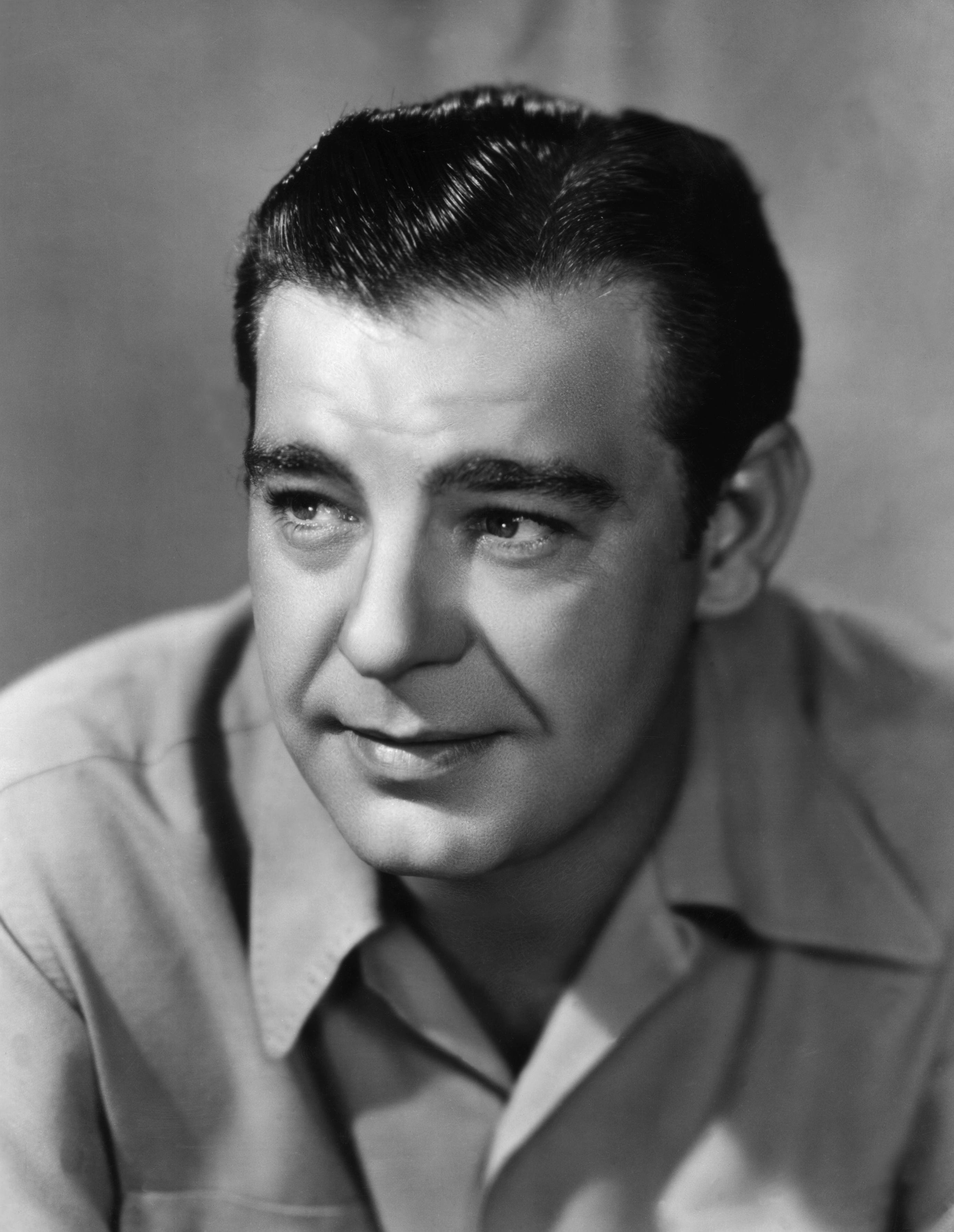
Birth Name
Creighton Tull Chaney
Birth Date
1906 February 10
Birth Location
Oklahoma City, Oklahoma, USA
Height
189 cm
Professions
Also Known As
- Creighton Chaney
- Lon Chaney
IMDb ID
Wikipedia Article
# Lon Chaney Jr.
Lon Chaney Jr., born on February 10, 1906, in Oklahoma City, Oklahoma, USA, was an iconic American actor renowned for his compelling performances in horror films during the mid-20th century. Standing at a notable height of 189 cm, Chaney's physical presence complemented his remarkable ability to embody complex and often monstrous characters, which solidified his status as a legendary figure in the genre. He was not only an actor but also ventured into producing and directing, making significant contributions to the film industry. Chaney's enduring legacy is marked by his performances in classic horror films, which have left an indelible mark on cinema and continue to resonate with audiences.
Quick Facts: Born as Creighton Tull Chaney, Lon Chaney Jr. was born on February 10, 1906, in Oklahoma City, Oklahoma. With a height of 189 cm, he was known for his work as an actor, producer, and director. Active in the entertainment industry from the 1920s until the 1970s, he is best remembered for his roles in iconic horror films.
Early Life and Education
Lon Chaney Jr. was born into a family with a rich theatrical background. His father, Lon Chaney, was a well-known silent film actor renowned for his ability to transform himself into various characters through makeup and physicality. This artistic environment heavily influenced young Creighton, who was encouraged to explore the performing arts from an early age.
Growing up in the early 20th century, Chaney faced various challenges, including his parents' tumultuous relationship and eventual separation. He often found solace in acting, participating in school plays and local theater productions. His childhood was marked by a deep appreciation for storytelling and character portrayal, which would later manifest in his career.
Chaney attended the University of Southern California, where he studied acting and refined his craft. Despite his father's fame, he initially struggled to emerge from his father’s shadow, leading him to adopt the stage name Lon Chaney Jr. to forge his own identity in Hollywood.
Career
Lon Chaney Jr.'s professional journey began in the late 1920s, where he took on minor roles in films, often uncredited. His early work included small parts in silent films, and he gained experience as an extra in various productions. However, it wasn't until the early 1930s that he began to attract attention, thanks to his performance in the film "The Wolf Man" (1941). This film marked a significant turning point in his career, establishing him as a prominent figure in the horror genre.
As the 1940s progressed, Chaney's reputation soared. He became synonymous with classic horror, portraying a variety of iconic monsters, including the Mummy and Frankenstein's monster. His ability to convey deep emotional resonance through his characters set him apart from his contemporaries. Chaney's performances were characterized by a unique blend of empathy and terror, allowing audiences to connect with the monsters he portrayed on screen.
The peak of Chaney's career occurred during the 1940s and 1950s, where he starred in a series of successful films that have since become staples of the horror genre. Beyond acting, he began to explore other facets of filmmaking, including producing and directing, which showcased his multifaceted talent. His work during this period not only defined his career but also helped to shape the evolution of horror cinema.
In his later years, Chaney continued to take on diverse roles, adapting to the changing landscape of Hollywood. He appeared in various television shows, capitalizing on the rise of the medium, and remained active in the industry until his health began to decline.
Personal Life
Lon Chaney Jr. had a complex personal life that mirrored the dramatic roles he portrayed on screen. He was married three times, and his relationships often reflected the tumultuous nature of his life and career. Chaney was known to be a private individual, often keeping details of his personal life away from the public eye. However, he did have a close-knit family and maintained a strong bond with his children, who inherited his passion for the arts.
Despite the challenges he faced, including struggles with alcoholism and health issues, Chaney was known for his warm personality and generosity toward his colleagues. He enjoyed a variety of hobbies outside of acting, including painting and fishing, which provided him a creative outlet and a respite from the pressures of Hollywood.
Chaney's public image was shaped by his roles as a horror icon, yet those who knew him personally often described him as approachable and down-to-earth. He embraced the darker aspects of his characters but remained a gentle and kind person in his everyday interactions.
Appearance
Physically, Lon Chaney Jr. had a commanding presence, standing tall at 189 cm, which added to his on-screen charisma. His facial structure allowed him to perform a wide range of expressions, which he often enhanced with makeup and special effects to portray his renowned characters. Chaney's hairstyle evolved throughout his career, from the slicked-back looks of the 1930s to the more rugged styles of the 1950s. He was also known for his ability to transform his appearance for each role, a skill he inherited from his father.
While he was not heavily tattooed, Chaney's transformation into his characters often required extensive makeup, which became a hallmark of his performances. His commitment to embodying characters fully made him a standout performer of his time.
Filmography Overview
Lon Chaney Jr. is best known for his work in horror films, particularly those produced by Universal Pictures during the golden age of horror in the 1930s and 1940s. His performances in films such as "The Wolf Man," "The Mummy," and "Frankenstein Meets the Wolf Man" have become iconic, establishing him as a definitive figure in the genre. Chaney's ability to evoke sympathy for his monstrous characters set a precedent for future horror films, influencing generations of actors and filmmakers.
Beyond horror, Chaney's versatility allowed him to explore other genres, including westerns and dramas, showcasing his range as an actor. His body of work is characterized by a deep emotional connection to his characters, which resonated with audiences and critics alike.
Awards and Achievements
Throughout his career, Lon Chaney Jr. received several accolades and nominations for his contributions to film. While he may not have received as many awards as some of his contemporaries, his work was recognized and celebrated by fans and peers alike. His legacy in the horror genre is immortalized in film history, and he is often cited as one of the most significant actors in the genre.
Legacy
Lon Chaney Jr.'s influence on cinema and culture is profound. His portrayal of complex, sympathetic monsters has left a lasting impact on the horror genre, inspiring countless filmmakers and actors. Chaney's ability to evoke empathy for characters traditionally viewed as villains reshaped audience perceptions of horror and paved the way for more nuanced storytelling in the genre.
What makes Lon Chaney Jr. a long-lasting and impactful figure is not only his talent but also his dedication to the craft of acting. His contributions to cinema have been recognized in various forms, from retrospectives celebrating his work to ongoing discussions about his influence on modern horror films. Chaney's legacy endures, reminding audiences of the profound emotional depth that can be found in even the most monstrous of characters.
Net Worth
Estimating the net worth of a classic actor like Lon Chaney Jr. is a fascinating endeavor that combines both external data from celebrity net-worth websites and a deeper analysis of his filmography and roles. When we turn to popular sources like Celebrity Net Worth, WealthyGorilla, and TheRichest, we find a range of figures that raise more questions than they answer. For instance, Celebrity Net Worth estimates Chaney’s net worth at around $500,000, while WealthyGorilla puts it closer to $2 million. TheRichest and PeopleAi offer figures that further vary, often depending on whether they consider his acting income, posthumous earnings, or even the impact of his iconic roles on the horror genre.
The discrepancies among these sources highlight a common limitation: they often don’t account for the nuanced financial realities of an actor's career, especially one who has passed away. These websites typically aggregate information based on media reports, interviews, or historical data, but they may not delve into the specifics of an actor's earnings per project, which can lead to significant value discrepancies. Additionally, since Lon Chaney Jr. was primarily active during the early to mid-20th century, the inflationary impact and evolving standards of compensation in Hollywood can make these figures feel even more detached from the truth.
Now, let’s talk about the logic behind estimating an actor's earnings, particularly for someone like Chaney, who had a solid career in the horror genre. Hollywood has long had a system of compensating actors that varies widely based on a range of factors. In the 1930s and 1940s, when Chaney was at his peak, supporting actors might have earned anywhere from $1,000 to $5,000 per film, depending on the film’s budget and the actor's billing position. Chaney, known for his versatile performances in horror films, often played titular roles, which typically granted him greater negotiation power when it came to salary.
Film budgets also play a crucial role in determining actor salaries. For instance, a big-budget film with a $1 million production cost would likely allocate a larger portion of its budget to its leading actors. Chaney’s films, while sometimes modestly budgeted, still commanded enough interest to suggest he was compensated well for his contributions. Additionally, the way billing works in Hollywood can significantly affect an actor’s earning potential. Being billed as a lead not only garners more attention but also correlates with higher pay.
Television roles, which Chaney did not extensively pursue during his career, typically pay actors per episode. In today's landscape, even supporting actors can earn anywhere from $20,000 to $100,000 per episode for popular shows, but back in Chaney's day, figures were significantly lower.
Let’s summarize some of Chaney's major films, their approximate budgets, and estimated earnings:
| Film Title | Approximate Budget | Estimated Earnings for Chaney |
|---|---|---|
| Of Mice and Men (1939) | $500,000 | $10,000 |
| The Wolf Man (1941) | $200,000 | $5,000 |
| Frankenstein Meets the Wolf Man (1943) | $300,000 | $8,000 |
| The Ghost of Frankenstein (1942) | $250,000 | $5,000 |
| The Mummy's Tomb (1942) | $200,000 | $4,000 |
When we look closer at each major film, we see both the context and the rationale behind the estimated earnings. In "Of Mice and Men," which had a budget of around $500,000, Chaney's role as Lennie Small was pivotal, and he likely negotiated a respectable salary of about $10,000. The film was a critical success, which would have bolstered his value in future projects.
In "The Wolf Man," with a lower budget of approximately $200,000, Chaney starred as Larry Talbot, a role that solidified his status in horror history. For this project, I estimate he earned around $5,000, aligning with typical compensation for actors in similar roles during that era.
When it comes to "Frankenstein Meets the Wolf Man," the slightly higher budget of $300,000 likely allowed for a bump in pay, estimating Chaney's earnings at about $8,000. His iconic roles in these films contributed to his long-term legacy, which, while difficult to quantify, certainly added to his overall brand value.
"The Ghost of Frankenstein" and "The Mummy's Tomb" both had modest budgets, and I estimate Chaney earned around $5,000 and $4,000, respectively. These films, while not as impactful as his more famous roles, still kept him in the public eye and contributed to his overall earnings.
Considering all these elements, we can arrive at a rough lifetime earnings estimate for Chaney, which, when adding up his estimated earnings from the films listed and considering other projects, could be around $100,000 to $200,000 during his active years. This figure starkly contrasts with the inflated net-worth estimates found on celebrity websites, which fail to capture the economic realities of an actor's career during the early to mid-20th century.
In conclusion, synthesizing both the external data and a deeper analysis of Chaney’s filmography leads me to suggest a more realistic net-worth range of approximately $1 million to $2 million. This figure accounts for both his earnings during his active years and the lasting impact of his contributions to cinema, particularly in the horror genre. While Chaney may not have amassed the same level of wealth as modern-day stars, his legacy continues to resonate, which adds intangible value to his overall worth.