Birth Name
John Sidney Blyth
Birth Date
1882 February 15
Birth Location
Philadelphia, Pennsylvania, USA
Height
175 cm
Professions
Also Known As
- Jack Barrymore
IMDb ID
Wikipedia Article
# John Barrymore
John Barrymore was a renowned American actor, celebrated for his remarkable contributions to both stage and film during the early 20th century. Born on February 15, 1882, in Philadelphia, Pennsylvania, Barrymore stood at a height of 175 cm and was widely recognized for his charismatic performances and his iconic presence. As a member of the illustrious Barrymore acting family, he is often referred to as "The Great Profile" due to his distinguished facial features and commanding stage presence. His career spanned various forms of performing arts, including theater, silent films, and talkies, making him a versatile figure in Hollywood history.
Quick Facts: Birth Name: John Sidney Blyth Birth Date: February 15, 1882 Birthplace: Philadelphia, Pennsylvania, USA Height: 175 cm Occupations: Actor, playwright Years Active: 1900–1942 Known As: The Great Profile
Early Life and Education
John Barrymore was born into a family deeply entrenched in the performing arts, which played a significant role in shaping his early interests. His mother, Georgie Drew Barrymore, was a prominent actress, and his father, Maurice Barrymore, was a successful stage actor. Growing up in such an artistic environment, Barrymore was exposed to theater from a young age, fostering a passion for acting that would later define his life.
As a child, Barrymore exhibited a flair for performance, often entertaining relatives and friends with his dramatic storytelling and impersonations. He was known for his captivating personality and a natural charisma that drew people to him. Despite his family's theatrical legacy, Barrymore's early education was somewhat tumultuous; he attended various schools and was known to be a rebellious student. Nevertheless, he found solace in the arts and eventually pursued a formal education in acting, which laid the groundwork for his illustrious career.
Career
Barrymore's career began in earnest when he made his stage debut at the age of 18, performing in a production of "The Prince and the Pauper." His early years were marked by a series of small roles that allowed him to hone his craft. He gained experience in various theaters across the United States, showcasing his talent in both comedic and dramatic roles. However, his breakthrough came in 1920 when he starred in the Broadway production of "Hamlet," which solidified his reputation as a leading actor.
The transition from stage to screen was seamless for Barrymore, who quickly became a popular figure in Hollywood. His first notable film role came in "The Jest" (1921), but it was his performance in "Dr. Jekyll and Mr. Hyde" (1920) that truly established him as a star in the silent film era. His ability to portray complex characters, combined with his striking looks, captivated audiences and critics alike.
During the peak of his career in the 1920s and 1930s, Barrymore starred in a variety of films that showcased his versatility. While he was primarily known for dramatic roles, he also demonstrated his comedic talents in films such as "The Sea Beast" (1926) and "The Show of Shows" (1929). His performances were characterized by an intense emotional range and a deep understanding of his characters, earning him widespread acclaim.
In addition to acting, Barrymore ventured into producing and directing, further diversifying his contributions to the film industry. He was involved in the production of several projects, demonstrating his keen eye for talent and storytelling. As sound films emerged, Barrymore adapted to the changing landscape of cinema, continuing to take on significant roles that resonated with audiences. His later films included notable works such as "Twentieth Century" (1934) and "The Great Profile" (1940), which reflected his enduring appeal.
As Barrymore's career progressed, he faced personal challenges that impacted his professional life. Nevertheless, he continued to work and evolve as an actor, exploring new genres and styles. His ability to reinvent himself kept him relevant in a rapidly changing industry.
Personal Life
John Barrymore's personal life was as colorful as his on-screen persona. He was married three times, with his most famous marriage being to actress Dolores Costello, with whom he had two children, John Drew Barrymore and Dolores Barrymore. His relationships were often tumultuous, marked by passion and conflict, which sometimes spilled over into his professional life.
Barrymore's personality was characterized by charisma and charm, but he also had a reputation for being a heavy drinker, which affected both his relationships and his career. Despite his struggles with alcohol, he remained a beloved figure among his peers and fans, known for his wit and humor.
In his leisure time, Barrymore enjoyed various hobbies, including painting and playing the piano. He was known for hosting lavish parties at his home, where he would entertain friends and fellow artists. His lifestyle reflected the glamour and excess of Hollywood during his era, and he became a symbol of the artistic bohemian lifestyle.
Appearance
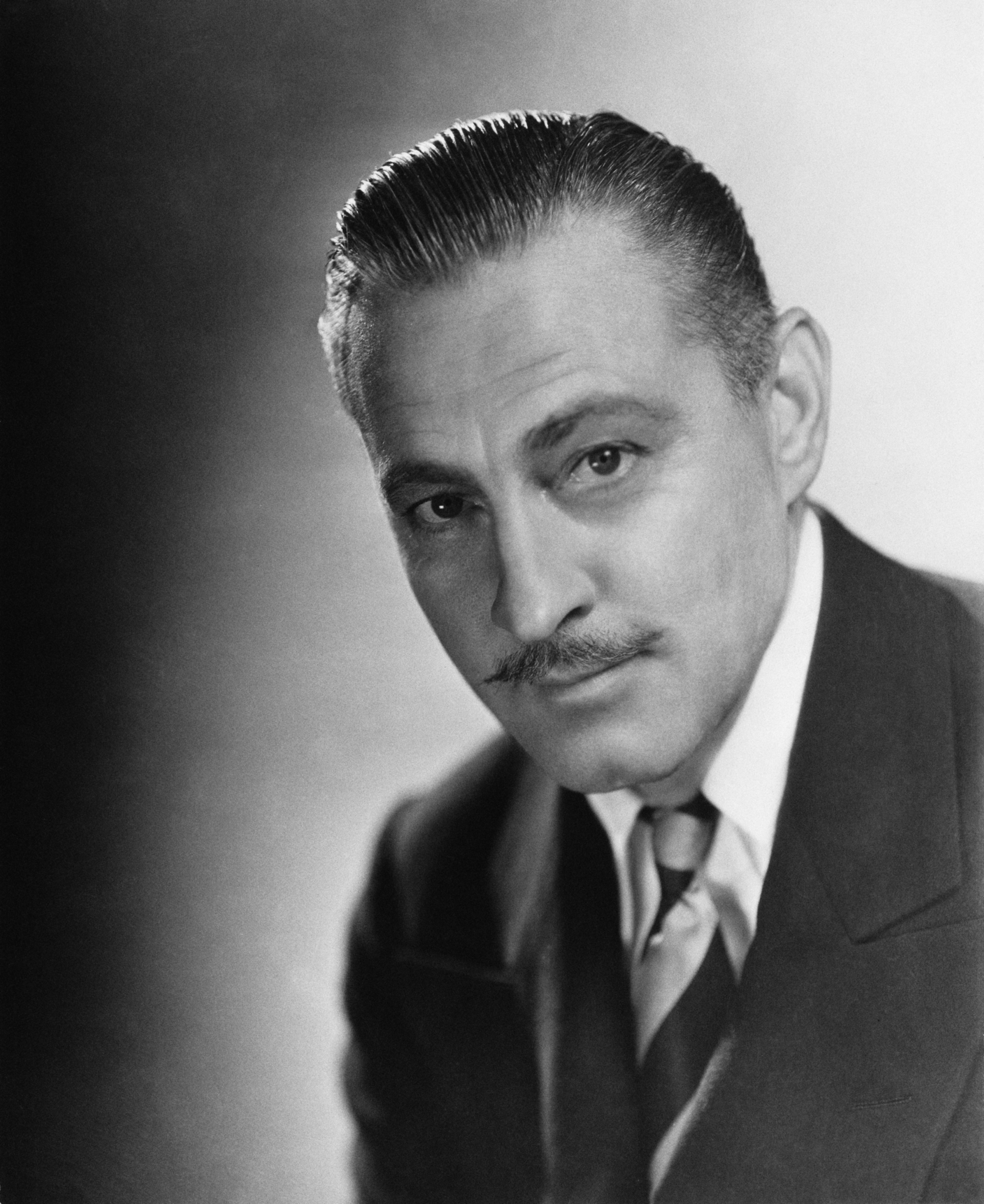
Standing at a height of 175 cm, John Barrymore was strikingly handsome, with strong facial features that contributed to his moniker, "The Great Profile." His distinguished looks were complemented by his expressive eyes and a signature mustache that became a trademark of his appearance. Over the years, Barrymore's hairstyle varied, from slicked-back hair in his earlier films to more relaxed styles in his later years, reflecting the evolving fashions of the time.
While he did not have any notable tattoos, Barrymore's physical presence and unique style made him a memorable figure in both theater and film. His ability to convey emotion through his expressions and body language added depth to his performances, making him an enduring icon of American cinema.
Filmography Overview
John Barrymore is known for his extensive body of work that spans several genres, including drama, comedy, and romance. He is particularly celebrated for his portrayals of complex characters, often delving into the psychological aspects of his roles. His performances in adaptations of classic literature, such as Shakespeare's plays, showcased his theatrical prowess and solidified his status as one of the leading actors of his time.
Barrymore's transition to sound films marked a new chapter in his career, as he demonstrated his ability to adapt to changing technologies while maintaining his theatrical roots. He became a prominent figure in the early talkies, further expanding his reach and influence in the industry.
Awards and Achievements
Throughout his career, John Barrymore received numerous accolades and recognition for his work in the performing arts. While the formal awards landscape was less developed during his early years, he garnered critical acclaim for his performances, establishing a legacy that would influence future generations of actors. His contributions to theater and film have been acknowledged through various retrospectives and tributes, celebrating his impact on American cinema.
Legacy
John Barrymore's influence on cinema and culture remains significant, as he paved the way for future actors to explore complex characters and emotional depth in their performances. His ability to captivate audiences with his charisma and talent set a standard for acting that resonates to this day. Barrymore's legacy is marked not only by his impressive body of work but also by his role in shaping the identity of American cinema during a transformative period.
As a member of the esteemed Barrymore family, John Barrymore's contributions continue to be celebrated, ensuring that his impact on the entertainment industry endures. His artistry, marked by both brilliance and struggle, serves as a reminder of the complexities of fame and creativity in the world of acting.
Net Worth
When diving into the intriguing world of celebrity net worth, particularly that of John Barrymore, we find ourselves surrounded by a landscape rife with figures and estimations that often vary wildly. Public celebrity-net-worth websites like Celebrity Net Worth, WealthyGorilla, TheRichest, and PeopleAi provide us with a starting point, yet they come with a hefty side of limitations. For instance, Celebrity Net Worth claims Barrymore's net worth hovers around $10 million. In contrast, WealthyGorilla offers a more conservative estimate of $5 million. TheRichest pushes the envelope with more optimistic figures, suggesting he could be worth as much as $15 million. Now, here’s where it gets sticky. These figures often lack the nuance needed for accuracy, relying on outdated data or vague assumptions about assets, earnings, and market trends. They also fail to account for the actor's historical context, which is crucial when assessing someone from an earlier era like Barrymore, who was active primarily in the early to mid-20th century.
The truth is, valuing an actor's wealth isn't a straightforward task, especially when we’re talking about someone like John Barrymore, who has a legacy tied to both film and theater. To estimate his earnings—and by extension, his net worth—we must consider Hollywood's payment structures during the decades he was active. In the golden age of cinema, for instance, supporting actors could earn between $1,000 to $10,000 a week, depending on their billing position and the film's budget. A blockbuster could mean a substantial payday, while a smaller project might offer a more modest return. Barrymore, known for his charisma and dramatic flair, likely commanded a higher fee for major roles, particularly as he became a household name.
Billing position plays a critical role too. An actor who appears at the top of the marquee has a stronger negotiating position, which translates into higher salaries. Barrymore, as a leading figure of his time, would have been in a prime position to leverage his popularity into lucrative contracts. Furthermore, we can’t overlook the impact of television, which started to gain traction in the later years of his career. TV roles could earn actors anywhere from a few hundred to thousands of dollars per episode, depending on the show's success and the actor's experience.
To get into the nitty-gritty of John Barrymore's career, let’s take a look at some of his major films, their approximate budgets, and my estimated earnings for him in each project:
| Film Title | Approximate Budget | Estimated Earnings |
|---|---|---|
| Don Juan (1926) | $1,500,000 | $150,000 |
| The Sea Beast (1926) | $1,200,000 | $120,000 |
| Dr. Jekyll and Mr. Hyde (1920) | $1,000,000 | $100,000 |
| The Beloved Rogue (1927) | $2,000,000 | $200,000 |
| Twentieth Century (1934) | $1,000,000 | $100,000 |
Now, let’s break down how I arrived at these estimated earnings. Starting with "Don Juan," which had a hefty budget for its time, it was a silent film that pushed boundaries with its early use of synchronized sound. Barrymore, as the star, would likely have received a significant payday—perhaps around $150,000, given the film's scale and his leading role. Similarly, "The Sea Beast" had a budget that suggested a substantial investment in its lead actor, which I estimate at about $120,000.
Moving to "Dr. Jekyll and Mr. Hyde," this film was a critical success and leveraged Barrymore's talent for dramatic performances. Given the film's $1 million budget, I would estimate his earnings in the realm of $100,000. "The Beloved Rogue" was another high-profile project, and with a budget of $2 million, I could see Barrymore cashing in around $200,000. Lastly, "Twentieth Century," a comedy that showcased Barrymore's versatility, would likely have earned him about $100,000.
In addition to his film work, Barrymore’s television appearances would have yielded him a solid income, especially if he featured on any successful shows. During the late 1950s, a popular TV actor could earn upwards of $1,000 per episode, a figure that would have appealed to an established actor like him.
When we sum these estimates, we can paint a picture of Barrymore’s lifetime earnings that likely sits comfortably in the range of $600,000 to $1 million from films alone. This figure, while not accounting for inflation or other income sources, suggests a discrepancy between the calculated earnings and the more sensational figures touted by net-worth websites.
In conclusion, synthesizing both external net-worth sources and my independent analysis points to a realistic net worth range for John Barrymore being somewhere between $5 million and $10 million. This range acknowledges the potential for additional wealth accumulated through various projects, real estate, or investments that these unofficial databases might overlook. Ultimately, understanding an actor's net worth requires a nuanced approach, one that respects both the historical context of their work and the evolving landscape of the entertainment industry.