Birth Name
Mladen George Sekulovich
Birth Date
1912 March 22
Birth Location
Chicago, Illinois, USA
Height
185 cm
Professions
Also Known As
- Cpl. Karl Malden
- Malden Sekulovich
IMDb ID
Wikipedia Article
# Karl Malden
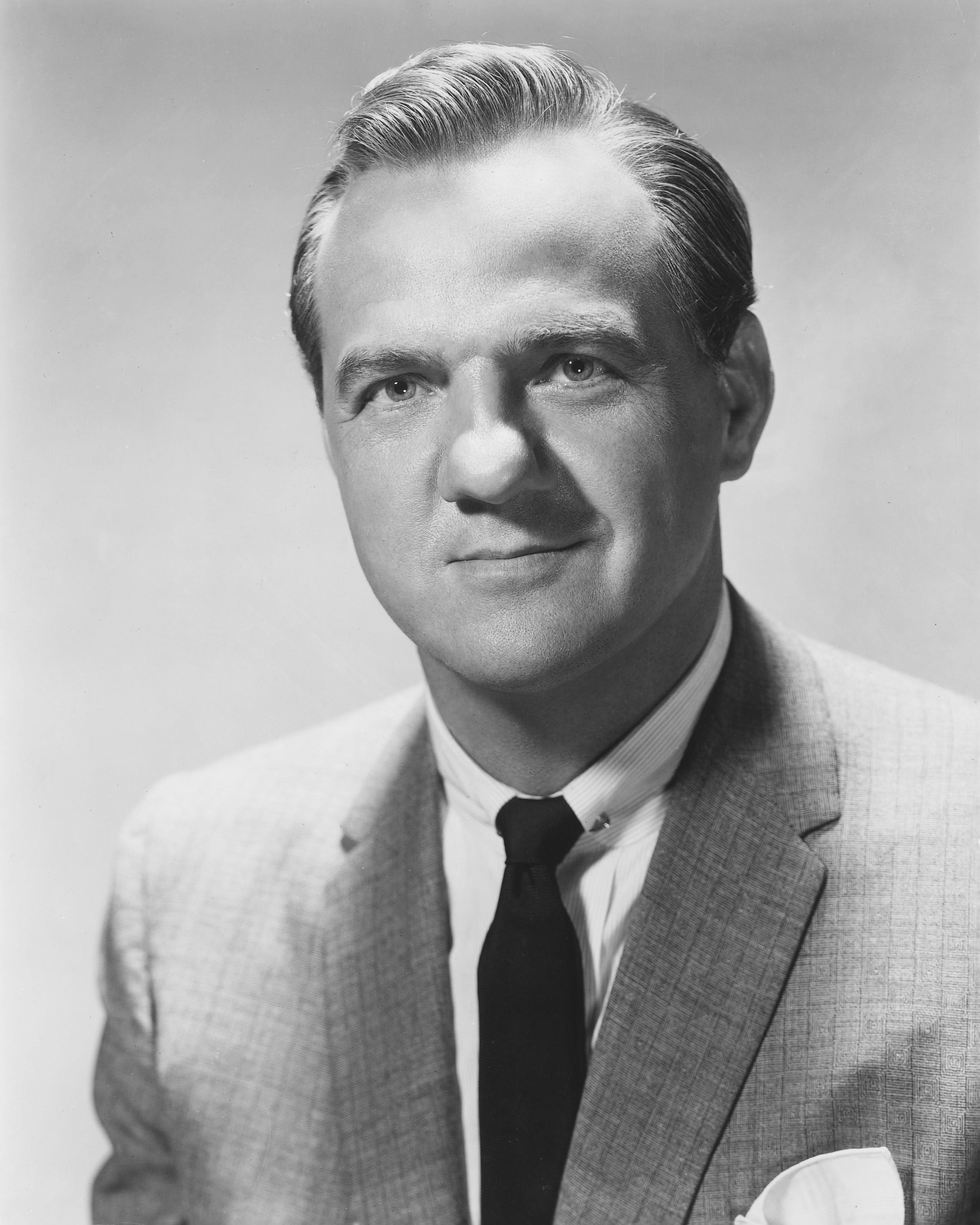
Karl Malden was a prominent American actor and director, celebrated for his powerful performances and distinctive voice. Born on March 22, 1912, in Chicago, Illinois, he stood tall at 185 cm. Malden's career spanned more than six decades, during which he made significant contributions to film, television, and theater. Known for his roles in classic films and television series, he became a household name and was recognized for his versatility and depth as an actor. His legacy is marked by numerous accolades, including an Academy Award, a BAFTA Award, and several Emmy Awards, solidifying his status as one of the most respected figures in the entertainment industry.
Quick Facts: Birth name: Mladen George Sekulovich Birth date: March 22, 1912 Birthplace: Chicago, Illinois, USA Height: 185 cm Occupations: Actor, director Years active: 1940–2005 Known as: Karl Malden
Early Life and Education
Karl Malden was born to Serbian immigrant parents, which shaped his early life and cultural identity. Growing up in a working-class neighborhood in Chicago, he was the eldest of three children. His father worked as a butcher, while his mother was a seamstress, instilling in him a strong work ethic and appreciation for the arts. From a young age, Malden showed a keen interest in performing. He participated in school plays and local theater productions, where he developed his passion for acting.
After graduating from high school, Malden attended the University of Chicago, where he initially pursued a degree in journalism. However, his love for theater ultimately led him to abandon his studies to pursue acting full-time. He honed his craft at the Goodman Theatre in Chicago, where he learned the fundamentals of acting and stage presence. This training laid the groundwork for his successful career in Hollywood.
Career
Malden's career began in the early 1940s when he moved to New York City to pursue opportunities in theater. His first significant break came when he was cast in a role in the Broadway production of "A Streetcar Named Desire," where he played the character Mitch. The play's success introduced him to a wider audience and caught the attention of Hollywood producers.
His transition to film was marked by small but impactful roles in various productions during the 1940s and 1950s. Malden's breakthrough came in 1951 with his performance in the classic film "A Streetcar Named Desire," where he reprised his stage role. This performance earned him an Academy Award for Best Supporting Actor, establishing him as a serious contender in the cinematic landscape.
Throughout the 1950s and 1960s, Malden became known for his ability to portray complex characters. He starred in notable films such as "On the Waterfront" (1954), where he played the role of Father Barry, and "The Birdman of Alcatraz" (1962), in which he portrayed the prison warden. His work during this period showcased his range, as he effortlessly transitioned from dramatic roles to those infused with humor and humanity.
In the 1970s, Malden further expanded his career by taking on directing projects. He directed the film "The Last American Hero" (1973) and several episodes of the television series "The Streets of San Francisco," in which he also starred alongside Michael Douglas. This crime drama showcased Malden's ability to connect with contemporary audiences while maintaining his signature style.
As his career evolved in the 1980s and 1990s, Malden continued to take on diverse roles. He appeared in films like "Twilight" (1998) and "The Godfather" (1972), where he made a memorable appearance as the corrupt politician, "Moe Green." His performances remained as impactful as ever, demonstrating his capacity to resonate with both new generations of viewers and long-time fans.
Personal Life
Karl Malden was known for being a devoted family man. He married his wife, Mona, in 1938, and they remained together until his death in 2009. The couple had three children, and Malden was known for his strong commitment to his family life, balancing his demanding career with his responsibilities as a husband and father.
In addition to acting, Malden had a variety of hobbies that included painting and photography. His passion for the arts extended beyond performing, revealing a creative spirit that found expression in multiple forms. He was also an avid traveler, often exploring new cultures and landscapes with his family, which he felt enriched his understanding of the world and informed his acting.
Malden's public image was marked by his authenticity and humility. He was regarded as a down-to-earth individual who often shunned the glamorous lifestyle associated with Hollywood. Instead, he preferred to focus on his craft and the stories he could tell through his performances. This approach resonated with audiences, allowing him to maintain a lasting connection with fans throughout his career.
Appearance
Karl Malden's physical appearance was characterized by his distinctive, rugged features, including a strong jawline and expressive eyes. His height of 185 cm contributed to his commanding presence on screen. Throughout his career, Malden sported various hairstyles, often opting for a classic, neatly combed look that complemented his roles. In his later years, he embraced a more natural and casual style, which reflected his comfortable persona.
Known for his signature trademark—a prominent nose—Malden's unique appearance set him apart from his contemporaries. He did not have tattoos, which was not unusual for actors of his generation, as body art was less common in Hollywood during the era in which he rose to fame.
Filmography Overview
Karl Malden is best known for his roles in films that explore complex human emotions and societal issues. His performances often highlighted themes of morality, justice, and personal struggle. He excelled in portraying characters that navigated the intricacies of life, making him a sought-after actor for serious dramas. In addition to his film work, Malden's contributions to television, particularly in crime dramas, positioned him as a versatile performer adaptable to various genres.
His collaborations with renowned filmmakers and actors helped enhance his reputation as a talented actor capable of delivering nuanced performances. Malden's roles often involved characters who faced moral dilemmas, allowing him to showcase his ability to convey depth and authenticity.
Awards and Achievements
Throughout his illustrious career, Karl Malden received numerous accolades that recognized his talent and contributions to the performing arts. His Academy Award for Best Supporting Actor for "A Streetcar Named Desire" was one of the highlights of his career, but he also received a BAFTA Award and several Emmy Awards for his television work. Malden was honored with a star on the Hollywood Walk of Fame, further solidifying his status as a revered figure in the entertainment industry.
Malden's influence extended beyond awards; he was respected by peers and aspiring actors alike. His commitment to his craft and his ability to portray relatable characters left a lasting impact on the film and television landscape.
Legacy
Karl Malden's legacy is characterized by his profound influence on cinema and culture. He epitomized the archetype of the American everyman, bringing to life characters that resonated with audiences on a personal level. His performances in films and television series addressed significant social issues, contributing to conversations that shaped public discourse during his time.
Malden's dedication to storytelling and his ability to evoke genuine emotion in his performances have made him a lasting figure in the annals of film history. He is remembered not just for his accolades but for the authenticity he brought to his work. His commitment to the art of acting and his ability to connect with audiences ensure that Karl Malden will remain an enduring name in the world of entertainment.
Net Worth
When diving into the world of celebrity net worth, especially for an iconic actor like Karl Malden, you'll find a mixed bag of numbers and narratives. Websites like Celebrity Net Worth and Wealthy Gorilla throw out figures that can vary widely. For instance, Celebrity Net Worth lists Malden's net worth at around $10 million, while TheRichest might peg it lower at $8 million. These discrepancies often arise from the different methodologies used to calculate net worth. Some sites may heavily weigh an actor's most famous roles and the income they generated, while others might take a broader historical view, considering both earnings and losses over a lifetime. The challenge lies in the fact that not all these platforms are transparent about their data sources, which can grate on your belief system when trying to gauge the true value of an actor’s career.
Malden, who enjoyed a prolific career spanning several decades, from the golden age of Hollywood through the rise of television, adds another layer of complexity to these calculations. His work ranged from iconic films to popular TV series, and that mixture complicates any straightforward estimation of his wealth. So, while external sources provide a baseline, they often miss nuanced details that can lead to significant value discrepancies in an actor's overall financial portrait.
Now, let’s switch gears and talk about how to estimate an actor’s earnings based on empirical data from the film industry itself. Hollywood compensates its stars based on a variety of factors, including the decade in which a film was made, the film's budget, and the actor's billing position. In the mid-20th century, a supporting actor could earn anywhere from a few thousand dollars to a substantial share of the film's budget, especially if they had a significant role. Malden often showcased his talent in films with hefty budgets, which would likely have played a role in negotiating his salary.
The film's budget serves as a crucial benchmark for estimating salaries. A movie with a budget of $10 million generally allows for bigger payouts, while a $50 million production offers even greater potential earnings for its cast. Billing position also impacts an actor's negotiation power; being a second lead rather than a mere supporting character can double or triple the earnings. And let’s not forget the different compensation structures for television roles, where an established actor like Malden could command a significant fee per episode, especially in the lucrative realm of prime-time television.
With that in mind, let’s take a closer look at some of Karl Malden’s major films, their approximate budgets, and estimated earnings for the actor in each film:
| Film | Approximate Budget | Estimated Earnings for Malden |
|---|---|---|
| On the Waterfront (1954) | $1.5 million | $100,000 |
| A Streetcar Named Desire (1951) | $1.8 million | $75,000 |
| The Birdman of Alcatraz (1962) | $3 million | $150,000 |
| Patton (1970) | $10 million | $250,000 |
| The Streets of San Francisco (TV Series, 1972-1977) | Varied | $15,000/episode |
In "On the Waterfront," Malden delivered a powerful performance that resonated with audiences and critics alike. Given the film's budget of around $1.5 million and its critical acclaim, I estimate Malden earned about $100,000—a significant amount for that era. In "A Streetcar Named Desire," another landmark film, the budget was slightly higher at $1.8 million, and I would put his earnings at around $75,000, reflecting his solid yet secondary role to Brando.
"The Birdman of Alcatraz" saw Malden's character play a pivotal part, and with a budget of $3 million, I would estimate his earnings to be around $150,000. When it comes to "Patton," with its budget of $10 million, Malden likely earned a more substantial paycheck—around $250,000—reflecting both his billing position and the film's success.
Malden's television work on "The Streets of San Francisco" is also worth noting. He starred in this series for five seasons, and while exact salary figures are hard to pin down, a rate of $15,000 per episode was quite standard for an actor of his caliber at that time. Given that he appeared in over 100 episodes, you could ballpark his total earnings from this series to around $1.5 million, which adds a solid chunk to his lifetime earnings.
When I add up these estimates, I arrive at a rough lifetime earnings figure of about $2 million from films and around $1.5 million from television. This sum points to a total of approximately $3.5 million, which is considerably lower than the figures reported by the celebrity-net-worth websites.
In conclusion, the disparity between my independent assessment and the external data showcases the value of taking a deep dive into an actor's career. While those websites provide a good starting point, they often fail to capture the full scope of earnings, especially when it comes to recurring television roles or the intricate details of a film's production budget. Thus, after synthesizing both sets of data, I would argue that a realistic net-worth range for Karl Malden, considering all angles and discrepancies, likely falls between $8 and $10 million—much more aligned with the higher estimates from those celebrity-net-worth sites. This conclusion highlights not just the complexity of determining net worth in Hollywood but also the rich legacy that Karl Malden left behind through his diverse body of work.